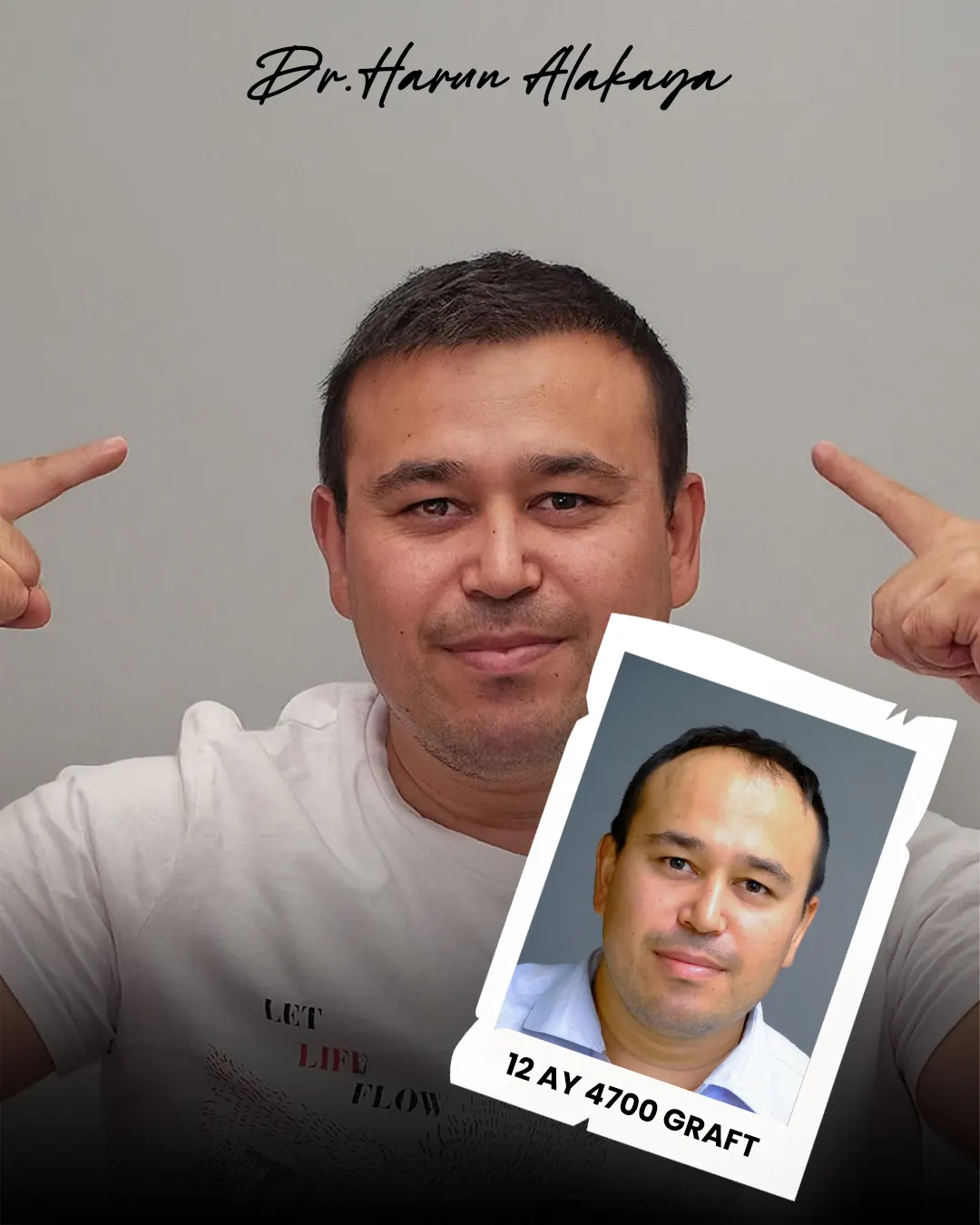
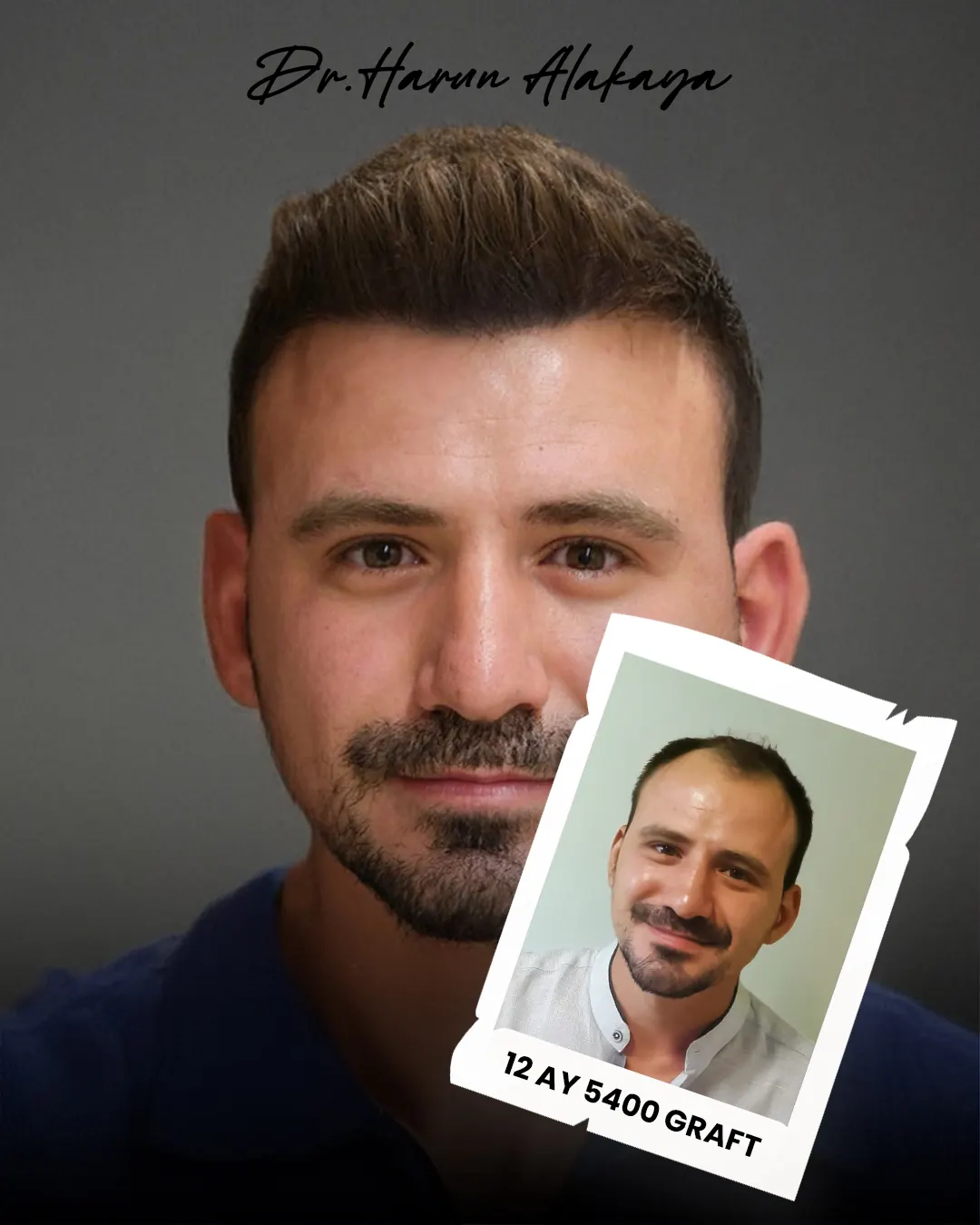
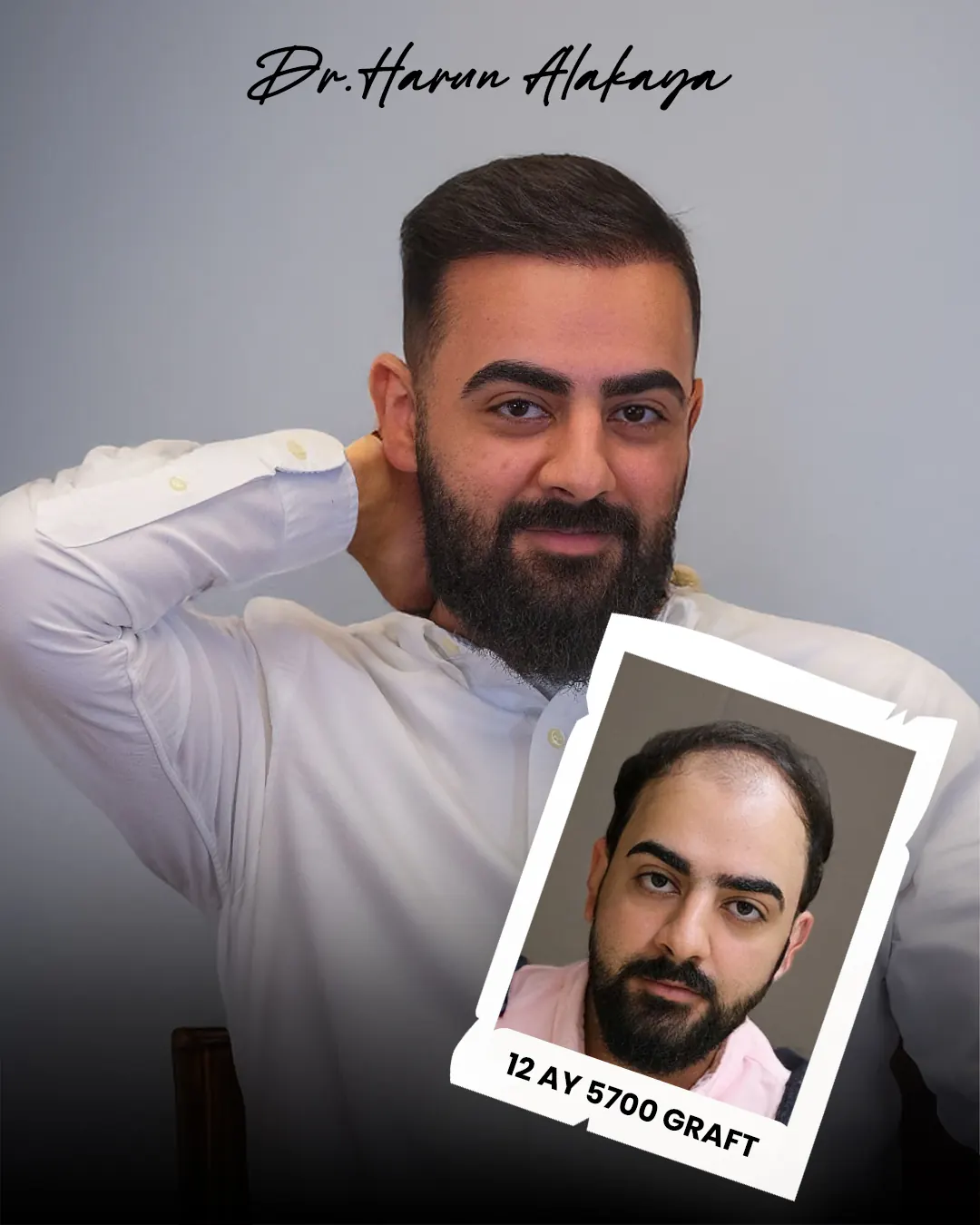
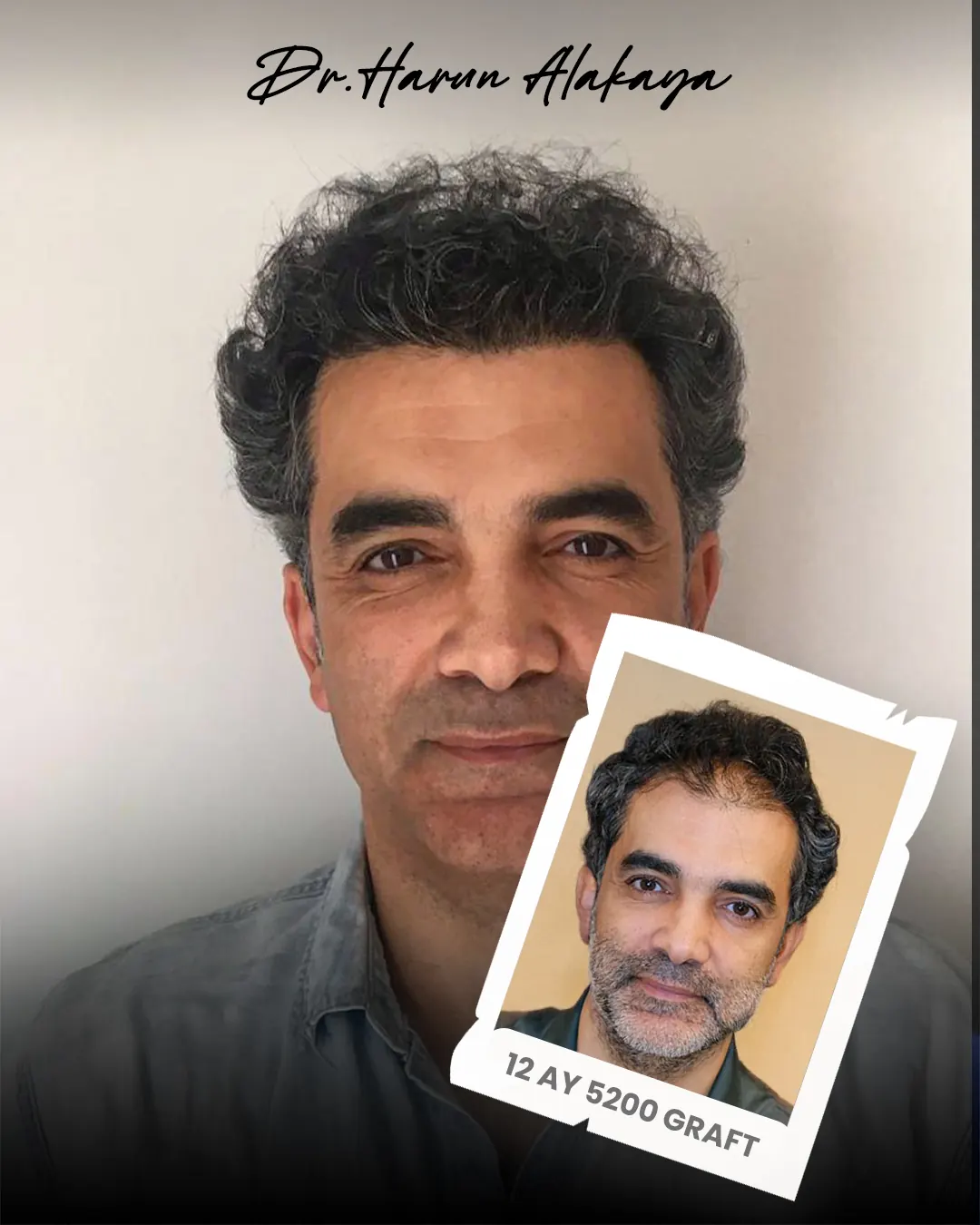
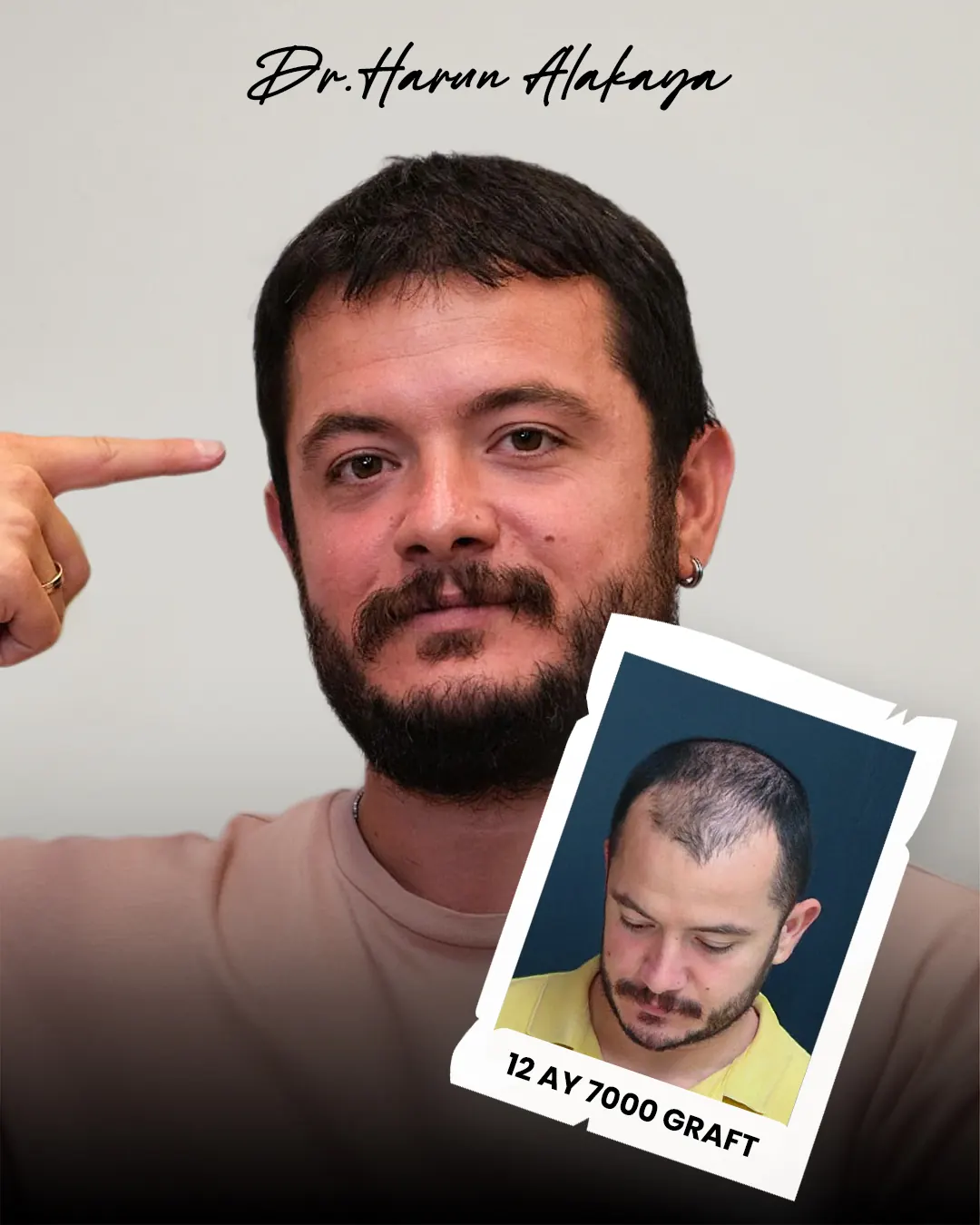
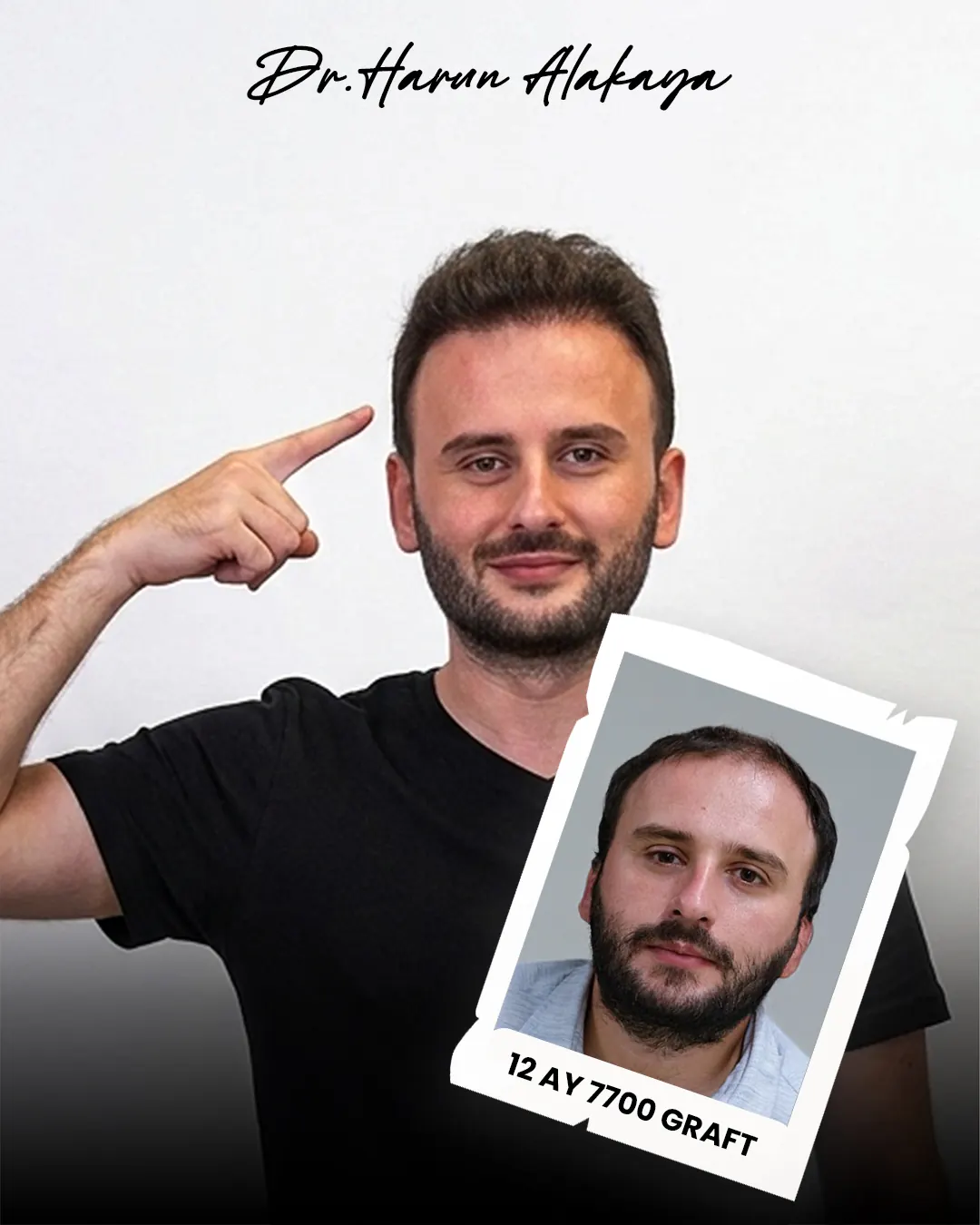
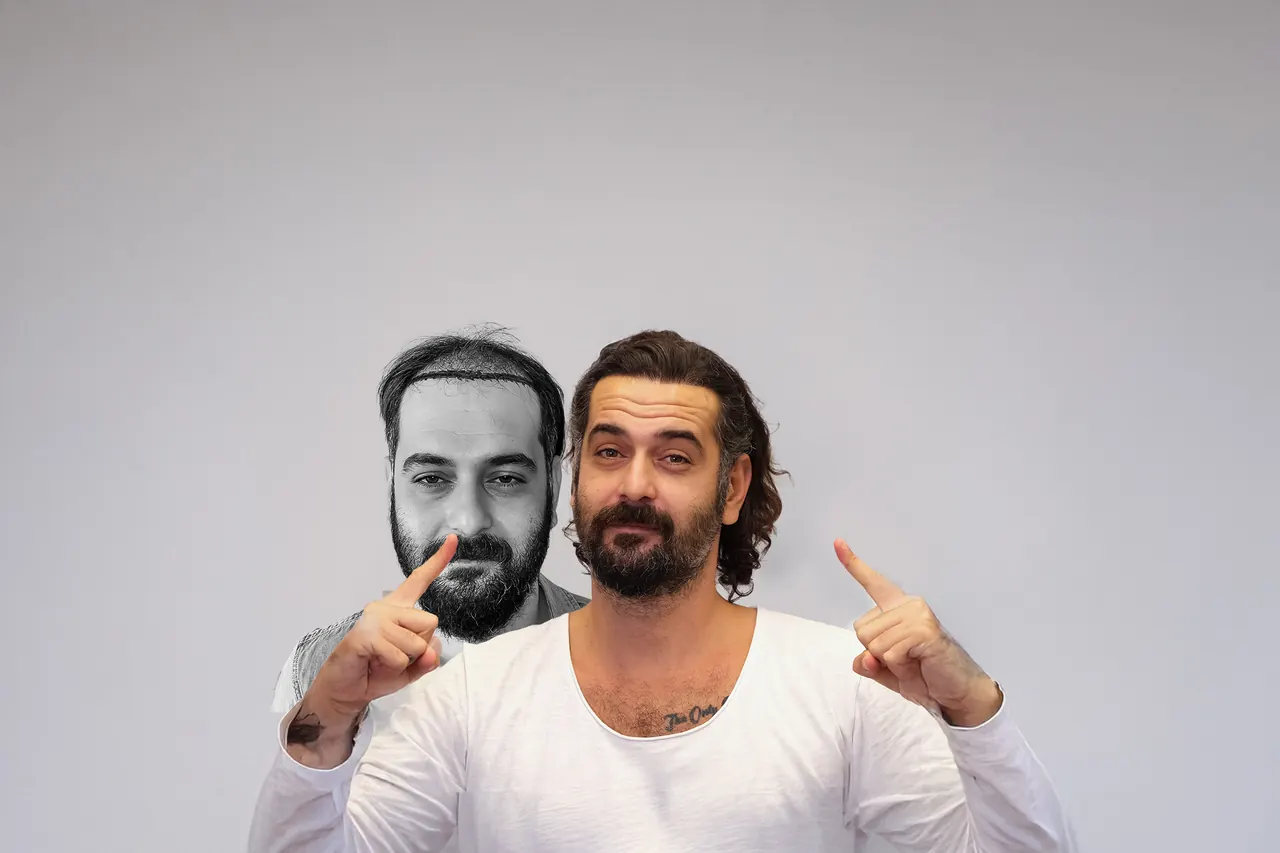
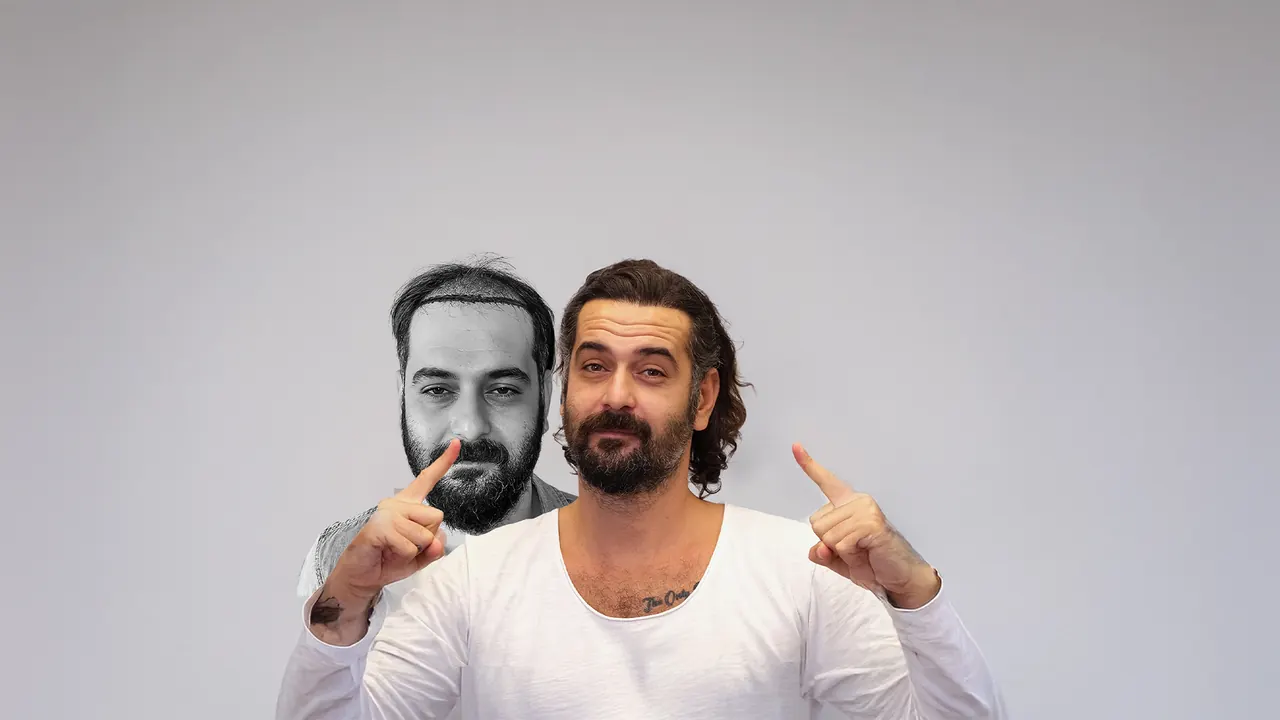
About these hair transplant before and after photos
Every photo in this gallery is shared with the patient's written consent. The images are not retouched. We do not edit hair density, hairline shape or skin tone. We only crop or blur to protect the patient's privacy.
Results vary from person to person. Your result depends on your hair type, your donor area, how far your hair loss has progressed and how you follow aftercare. The photos show what can be achieved. They are not a promise of the same outcome for every patient.
How to judge a hair transplant result
When you compare before and after photos from any clinic, look at these points.
Hairline naturalness
A natural hairline is soft at the edge. Single-hair grafts sit at the front, and density builds gradually behind them. The line is slightly irregular. A hairline that looks like a straight, sharp edge is a warning sign.
Density
Look at how full the hair looks from the front and from above. Density should look even across the treated area, with no visible gaps or rows.
Hair angle and direction
Hair grows at a low angle and in a set direction in each part of the scalp. Transplanted hair should follow that pattern. Hairs that stand straight up or point in odd directions show poor channel work.
Donor area
Ask to see the back of the head after the operation. A good result leaves the donor area evenly thinned and looking normal. Patchy or clearly thin spots suggest too many grafts were taken from one place.
Lighting, angle and hair styling
Before and after photos should use the same angle and similar lighting. Strong overhead light shows less density, while soft side light shows more. Wet hair, gel, or a different hair length can also change how a result looks. Be careful with photos that change these conditions.
Hair transplant results month by month
The first weeks
The recipient area has small scabs, which fall off in around 10 to 14 days. Between weeks 2 and 8, most transplanted hairs shed. This is called shock loss and is expected. The follicles stay in place under the skin.
3 months
The first new hairs usually appear at 3 to 4 months. They are thin and soft at first. At this stage the photo may look close to the starting point.
6 months
Most patients see a clear change. Coverage improves and the new hairline becomes visible. The hair is still maturing, so density keeps increasing.
12 months
For most patients the final result is seen at around 12 months. The hair is thicker and the texture has settled. The crown can take up to 18 months. The full timeline is on the hair transplant recovery timeline page.
Before and after results by technique
The gallery includes results from different techniques. Sapphire FUE hair transplant uses fine sapphire blades to make small V-shaped channels. DHI hair transplant uses a Choi implanter pen to place each graft. Unshaven hair transplant results show patients who kept their hair long during treatment. Dr. Alakaya chooses the technique for each patient based on hair type, hair loss and goals.
Your own hair transplant result
Dr. Alakaya plans each case himself, designs the hairline by hand and opens the channels himself. Follow-up at 3, 6, 9 and 12 months is included in every package, and progress photos are taken at each visit. If you live abroad, you can send photos from home.
To find out what is realistic for you, start with our hair graft calculator for a first estimate. Then send your photos through the contact page for a free assessment.
Frequently asked questions
Are the before and after photos real?
Yes. They show real patients of Dr. Alakaya, shared with written consent. The photos are not retouched.
When will I see results after a hair transplant?
First growth usually starts at 3 to 4 months, with a clear change around 6 months. Most patients see the final result at about 12 months.
Why does my hair look worse a month after the transplant?
Transplanted hairs usually shed between weeks 2 and 8. This shock loss is normal, and new hair grows from the same follicles from month 3 onwards.
Will my result look like the photos?
Results vary with hair type, donor area and hair loss. The photos show what can be achieved, and your doctor will tell you what is realistic for you.
How can I tell if a hair transplant result looks natural?
Check for a soft, slightly irregular hairline, even density, hairs that follow the natural angle and a donor area that looks normal.