Why the surgeon matters more than the technique
A hair transplant is a permanent change to your appearance. It also uses a donor area that does not grow back. A poorly planned hairline, overharvested donor area or low graft survival can be hard or impossible to fix.
Techniques such as sapphire FUE and DHI are tools, and our sapphire FUE vs DHI guide explains when each one fits. The result depends on who plans the case, who handles the grafts and how carefully each step is done. The checklist below helps you find that out before you book.
We use the same checklist to describe how Dr. Harun Alakaya works, so you can compare clinics on the same points.
1. Ask who performs each step of the operation
This is the most important question. A hair transplant has four main stages:
- Planning and hairline design: deciding the graft number, the target area and where the new hairline sits.
- Extraction: removing grafts from the donor area.
- Channel opening or site making: creating the small openings where grafts go. This sets the angle, direction and density of the new hair.
- Implantation: placing the grafts into those openings.
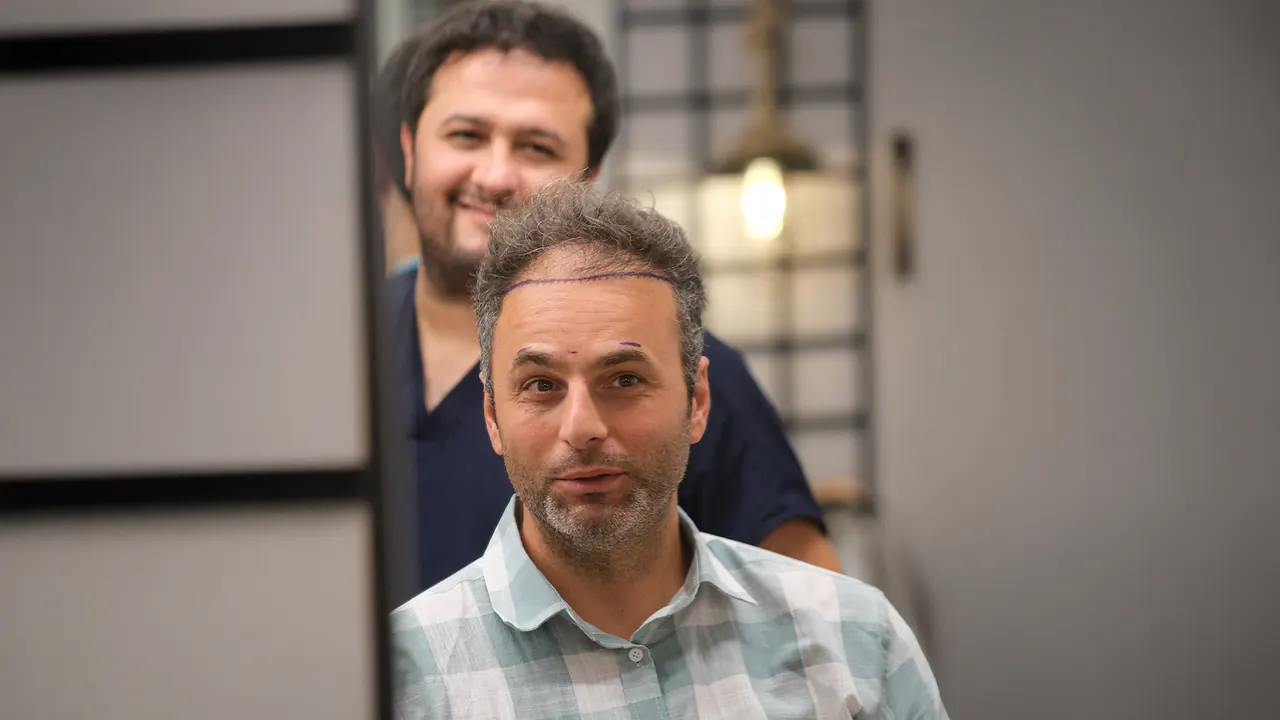
Ask the clinic, in writing, who will do each stage in your operation. Ask whether the doctor will be in the room for the whole procedure. A trained team often helps with extraction or implantation, and that can be fine when the doctor supervises. The planning, hairline design and channel opening shape the final look. Many patients prefer that the surgeon does these steps personally.
Be careful if the answers are vague, or if you cannot learn the name of the doctor before you travel.
What the rules in Turkey say
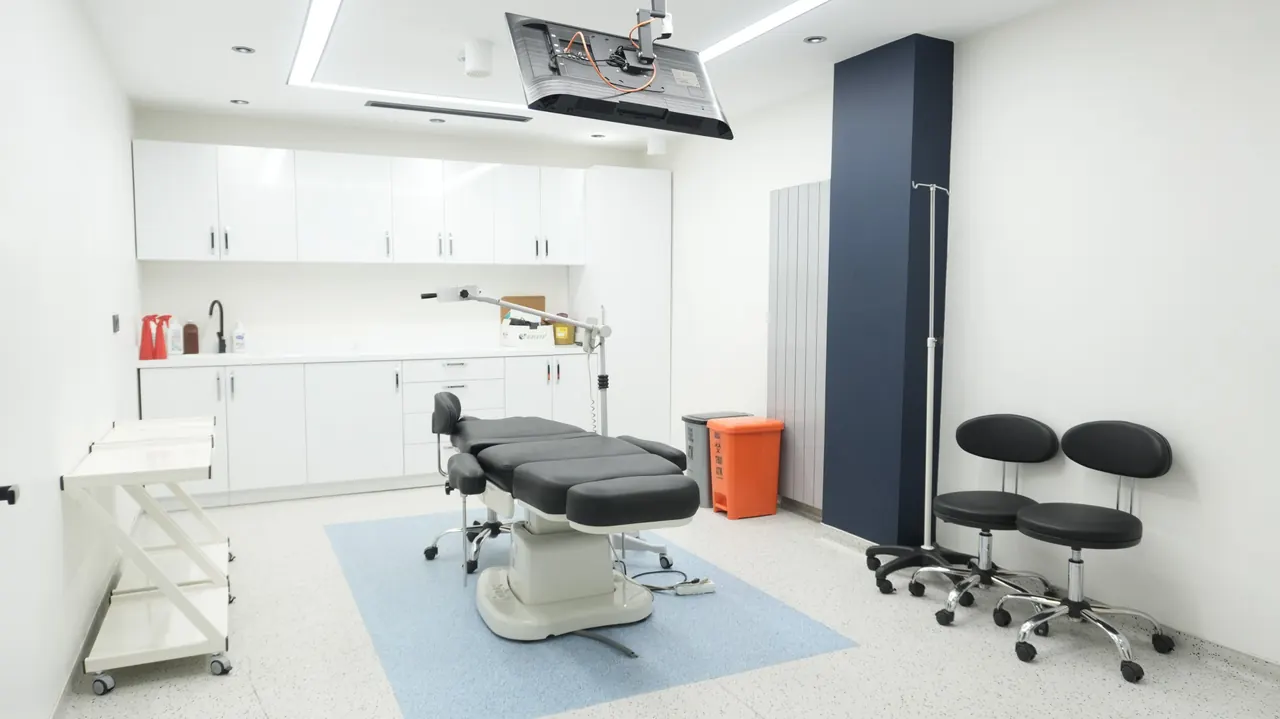
In Turkey, hair transplants are governed by the Regulation on Hair Transplant Units (Saç Ekimi Birimleri Hakkında Yönetmelik). It was published in the Official Gazette on 6 May 2023 and amended in November 2023 and September 2025. A hair transplant unit can only be opened inside a health facility, with an activity permit issued under this regulation. Only staff whose certificates are registered with the Ministry of Health may work in the unit.
Under the current text, only these doctors may open the channels: doctors with a hair transplant practitioner certificate, specialists in plastic surgery or dermatology, and doctors with a medical aesthetics certificate. Collecting the follicles and placing them into the channels may be done by these doctors or by health professionals who hold a hair transplant assistant certificate. These staff work under the supervision and responsibility of the doctor.
Rules differ between countries. The ISHRS notes that each country sets what doctors and technicians may do, and advises patients to check with local health authorities.
The ISHRS also warns about the "ghost doctor" problem. In these cases the advertised doctor's role is limited to a brief meeting or drawing the hairline, and he or she takes little or no real part in the operation itself.
2. Check qualifications and ISHRS membership
Your surgeon should be a licensed medical doctor. Ask where they studied medicine and how many years they have worked in hair surgery.
Membership of professional societies is a useful extra signal. The ISHRS (International Society of Hair Restoration Surgery) is an international medical society for hair restoration surgeons, with more than 1,200 members worldwide. Regional societies such as the ESHRS (European Society of Hair Restoration Surgery) also exist. Membership does not guarantee a result. It does show that the doctor takes part in the professional community and its education. You can check membership on the society's website.
A proper consultation includes a medical history and a close look at your scalp and donor area, usually with magnification. Some types of hair loss are not suitable for surgery, so the doctor should confirm the cause first. If you are travelling abroad, the NHS also advises asking about the surgeon's training and qualifications, and checking that they can explain the procedure in a language you understand.
Teaching, congress presentations and training other doctors can also show long-term commitment to the field.
3. Look for real before and after photos
Before and after photos are the best evidence of a surgeon's work, but only if they are real and fair. Look for:
- The same lighting, angle and hair length in the before and after photos.
- Photos from the top and crown, not only the front hairline.
- Results at 12 months or later, when growth is close to final.
- A range of cases similar to yours in hair loss stage and hair type.
- Close-up views of the hairline, where poor work is easiest to spot.
Ask to see results from the specific doctor who will treat you, not the clinic in general. Wet hair, styling products and different camera angles can make a result look better than it is. See our own hair transplant before and after gallery for the type of photos to expect.
Online reviews and social media posts are not enough on their own. As the ISHRS points out, they do not show who made the incisions. Judge the photos together with the plan the doctor explains to you.
4. Ask how many patients are treated per day
A large hair transplant takes most of a working day. If a clinic treats many patients a day, one doctor cannot be closely involved in all of them. More of the work then falls to the team.
Ask how many operations take place on the day of your surgery, and how many the doctor personally handles. A doctor who limits the number of patients per day has more time for planning and the key steps of each case.
5. Get a written, personal treatment plan
Before you travel, you should receive a written plan based on your photos. A good plan states:
- The estimated graft number and the area it will cover.
- The technique or mix of techniques, and why.
- The proposed hairline, with an explanation of how it suits your age.
- An assessment of your donor area and how much reserve will remain.
- What is included in the price, and whether the price is fixed.
Be careful if the plan promises a very high graft number before anyone has examined your donor area. The final number should be confirmed in person. You can check whether a proposed number is reasonable with our hair graft calculator and our guide on how many grafts you need.
6. Ask about aftercare and follow-up
The operation is one day. Your result takes about a year to develop. Ask what support you get after you fly home:
- Is the first hair wash done at the clinic, with instructions for washing at home?
- Are medication and an aftercare kit included?
- Will the doctor review your progress at set points, such as 3, 6, 9 and 12 months?
- Who do you contact if you have a concern, and how quickly do they reply?
If you are travelling for surgery, the NHS advises asking what happens if there are complications, where follow-up appointments will be and what insurance the clinic or surgeon has. It also notes that travel insurance does not normally cover things going wrong in surgery. Wherever you are, contact the clinic or a local doctor quickly if you notice fever, spreading redness, pus, severe pain or bleeding that does not stop.
Read our hair transplant recovery timeline so you know what is normal in each stage.
7. Understand the price before you compare
Price is important, but very low prices often mean less doctor time, more patients per day or extra costs later. Per-graft pricing can also push graft numbers up.
When you compare quotes, check what is included: hotel, transfers, blood tests, medication, aftercare and follow-up. A fixed-price package makes comparison simpler. Our hair transplant cost in Turkey page explains what affects the price.
Warning signs when choosing a hair transplant clinic
- You cannot find out the doctor's name before booking.
- The answer to "who opens the channels?" is unclear.
- A sales adviser, not a doctor, assesses your hair loss and sets the graft number.
- Guarantees of a set density or of 100% graft survival.
- Pressure to book quickly with a limited-time discount.
- A very high graft number offered without a donor assessment.
- Only front-view photos, or photos with different lighting and wet hair.
- No clear plan for follow-up after you go home.
Your hair transplant surgeon checklist
| Question | What a clear answer looks like |
|---|---|
| Who plans the case and designs the hairline? | The named surgeon, personally |
| Who opens the channels or makes the sites? | A clear, named answer |
| Who places the grafts? | The surgeon, or a certified team under the surgeon's supervision |
| Is the surgeon an ISHRS member? | Yes or no, which you can verify |
| Can I see real results from this surgeon? | Consistent photos at 12+ months |
| How many patients per day? | A specific, limited number |
| Will I get a written plan? | Yes, with grafts, area and hairline |
| What follow-up is included? | Set check-ins over the first year |
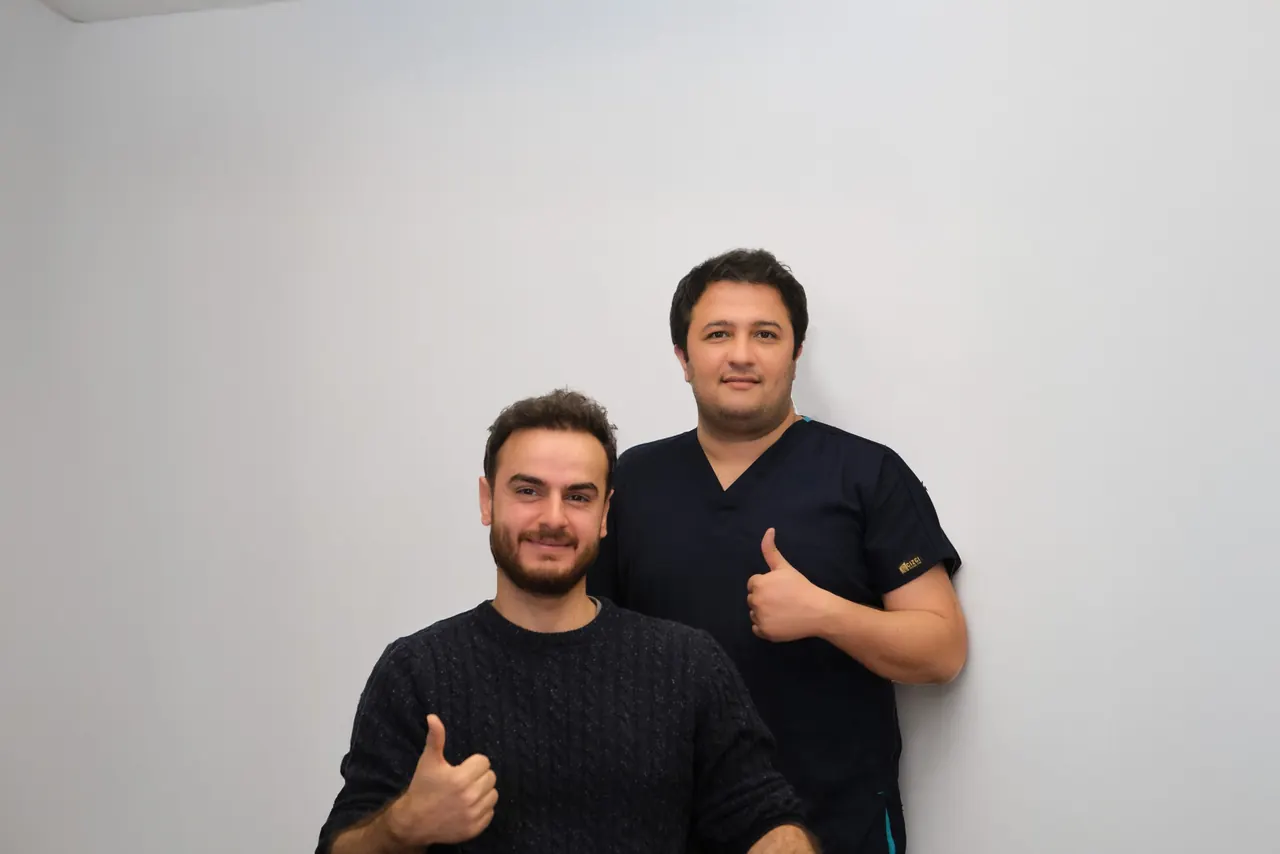
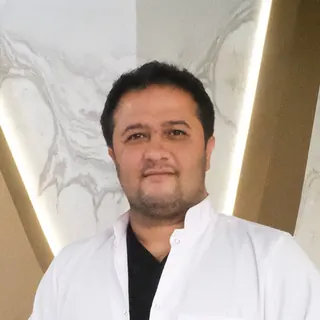
Dr. Harun Alakaya is a member of ISHRS and ESHRS. He plans each case himself, designs the hairline by hand, opens the channels himself and limits the number of patients per day. If you would like a personal plan, you can send your photos for a free analysis.
Frequently asked questions
Should the surgeon do the whole hair transplant personally?
A trained team often helps with extraction and implantation, which can work well under close supervision. Many patients prefer the surgeon to personally plan the case, design the hairline and open the channels, as these steps shape the final look.
Does ISHRS membership guarantee a good result?
No. It shows the doctor takes part in the professional hair surgery community and its education, which is a useful signal, but you should still review their real results.
How can I tell if before and after photos are real?
Look for consistent lighting, angles and hair length, views from the top and crown, and results at 12 months or later. Ask for several cases similar to yours from the same doctor.
Is a cheaper hair transplant clinic in Turkey a risk?
Not always, but very low prices can mean less doctor involvement or many patients per day. Ask who does each step and what is included before you compare prices.
Is it safe to have a hair transplant abroad?
It can be, when a qualified doctor leads the operation in a licensed facility and there is a clear plan for follow-up. Check who does each step, how complications are handled and whether your insurance covers problems after surgery.
Sources
- ISHRS – Before You Choose a Surgeon
- ISHRS – Hair Transplant Black Market Red Flags
- NHS – Cosmetic surgery abroad
- Lexpera – Saç Ekimi Birimleri Hakkında Yönetmelik, consolidated text (Resmî Gazete, 06.05.2023, no. 32182)
- Lexpera – Amending regulation of 03.11.2023 (Resmî Gazete no. 32358)
- Lexpera – Amending regulation of 12.09.2025 (Resmî Gazete no. 33015)
- Alopecia UK – Surgery: Hair Transplants
Our articles explain hair transplant topics in plain language. They are general information and do not replace a consultation with a doctor.
About the doctor