Do you need finasteride or minoxidil after a hair transplant?
Not always. The grafts in a hair transplant come from the back and sides of the head. These follicles are usually resistant to the hormone that drives male pattern hair loss, so transplanted hair tends to stay. The medicines are mainly about the hair that was not transplanted.
Male pattern hair loss often continues after surgery. If your native hair keeps thinning, the transplanted area can end up looking like an island. Finasteride and minoxidil are the two best-studied medicines that can slow this process in some men. Whether you use one, both or neither depends on your age, pattern of loss, health and preferences.
This is a medical decision. A doctor who knows your history should make it with you and supervise the treatment. Medication is one part of a long-term plan, alongside options such as PRP hair treatment and careful surgical planning.
Why hair loss can continue after a hair transplant
Male pattern hair loss is linked to your genes and to dihydrotestosterone (DHT), a hormone made from testosterone. In sensitive follicles, DHT shortens the growth phase. Over time the hairs become shorter and finer, and some follicles stop producing visible hair. Doctors call this miniaturisation.
A transplant does not change your genes or hormones. A man who has surgery at Norwood 3 may later move towards Norwood 4 or 5. You can see what each stage looks like in our guide to the Norwood scale of hair loss.
This is why surgeons plan for the future, with a hairline that will suit you as you age and donor grafts kept in reserve. Our article on how many grafts you need explains why the donor area is limited. Medical treatment can help protect native hair, so the donor supply goes further.
What finasteride is and how it works
Finasteride is a tablet from a group of medicines called 5-alpha reductase inhibitors. It reduces the conversion of testosterone into DHT. Lower DHT levels can slow hair loss in men, and some men see a degree of regrowth.
- Who it is for: men with male pattern hair loss. The NHS says it is generally not recommended for women. Women who are or may become pregnant should not touch broken or crushed tablets.
- How long it takes: the NHS says you can expect to see some improvement in hair loss after 3 to 6 months.
- How long it lasts: the benefit lasts only while you take it. If you stop, the hair loss it was slowing usually returns over the following months.
- Blood tests: finasteride can affect the result of a PSA test, a blood test used to check the prostate. Tell any doctor who orders a PSA test that you take it.
A higher strength is used for an enlarged prostate. Your prescribing doctor decides the product, strength and schedule, so this article does not give doses.
Finasteride side effects and safety warnings
Many men take finasteride without problems, but it has known side effects. UK and EU regulators have strengthened their warnings in recent years.
Sexual side effects
The NHS lists difficulty getting an erection, reduced interest in sex and changes in ejaculation as common side effects, affecting more than 1 in 100 people. The NHS adds that they can sometimes carry on even after you stop taking finasteride. Speak to your doctor if you notice them.
Mood changes, depression and suicidal thoughts
In 2025 the European Medicines Agency (EMA) confirmed suicidal thoughts as a side effect of finasteride tablets. How often it happens is not known. Most reported cases involved the lower-strength tablets used for hair loss. In the UK, finasteride packs have carried a patient alert card since 2024. In 2026 the MHRA, the UK medicines regulator, strengthened the product information again. It now says that sexual side effects may contribute to mood changes.
What to do if your mood changes
If you take finasteride for hair loss and notice low mood, loss of interest in things you usually enjoy, other changes in your mood or thoughts of suicide, stop taking it and contact a doctor as soon as possible. Both regulators give this advice. You do not need to wait for a planned check-up, and you do not need to be sure the medicine is the cause.
If you have thoughts of harming yourself or feel unsafe, call your local emergency number or go to the nearest emergency department now. That is 999 in the UK, 112 in the EU and Türkiye, and 911 in the US. In the US you can also call or text 988 to reach a crisis line.
Tell your doctor before you start if you have ever had depression or another mental health condition. It also helps to tell someone close to you, so they can notice changes in your mood.
Breast changes
The NHS lists breast lumps, pain, swelling or nipple discharge as a rare but serious side effect. See a doctor if you notice any of these.
What minoxidil is and how it works
Minoxidil was first developed as a tablet for high blood pressure, and doctors then noticed that it caused hair growth. How it acts on hair is not fully understood. It is thought to lengthen the growth phase (anagen) of the hair cycle, which can lead to longer and thicker hairs.
Minoxidil comes in two main forms:
- Topical minoxidil is a solution or foam applied to the scalp.
- Oral minoxidil is a tablet. Low-dose use for hair loss is off-label in many places, meaning it is prescribed outside its licensed use. It needs a doctor's assessment and regular follow-up.
Minoxidil does not act on DHT. Men and women can use it, but it is not recommended in pregnancy, while breastfeeding or under 18.
Minoxidil side effects
- Extra shedding in the first weeks, as resting hairs are pushed out. This is often temporary.
- Scalp itching, burning, flaking or irritation. Some people react to propylene glycol, an ingredient in many liquid forms.
- Unwanted hair growth on the face or body. This can happen with both forms and is common with tablets.
- With oral minoxidil: fluid retention, swelling, a fast heartbeat and weight gain. Serious heart problems, such as fluid collecting around the heart, have also been reported.
Contact a doctor promptly if you have chest pain, a racing heartbeat, shortness of breath, dizziness, or swelling of the face, hands, ankles or stomach.
When can you start minoxidil or finasteride after a hair transplant?
There is no single schedule. Each surgeon has a protocol based on your scalp, the technique and any medicine you already use.
| Stage | What usually applies |
|---|---|
| Before surgery | Tell your surgeon about every medicine and hair product you use, including tablets bought abroad or online. You may be asked to pause topical products for a short time before the operation. |
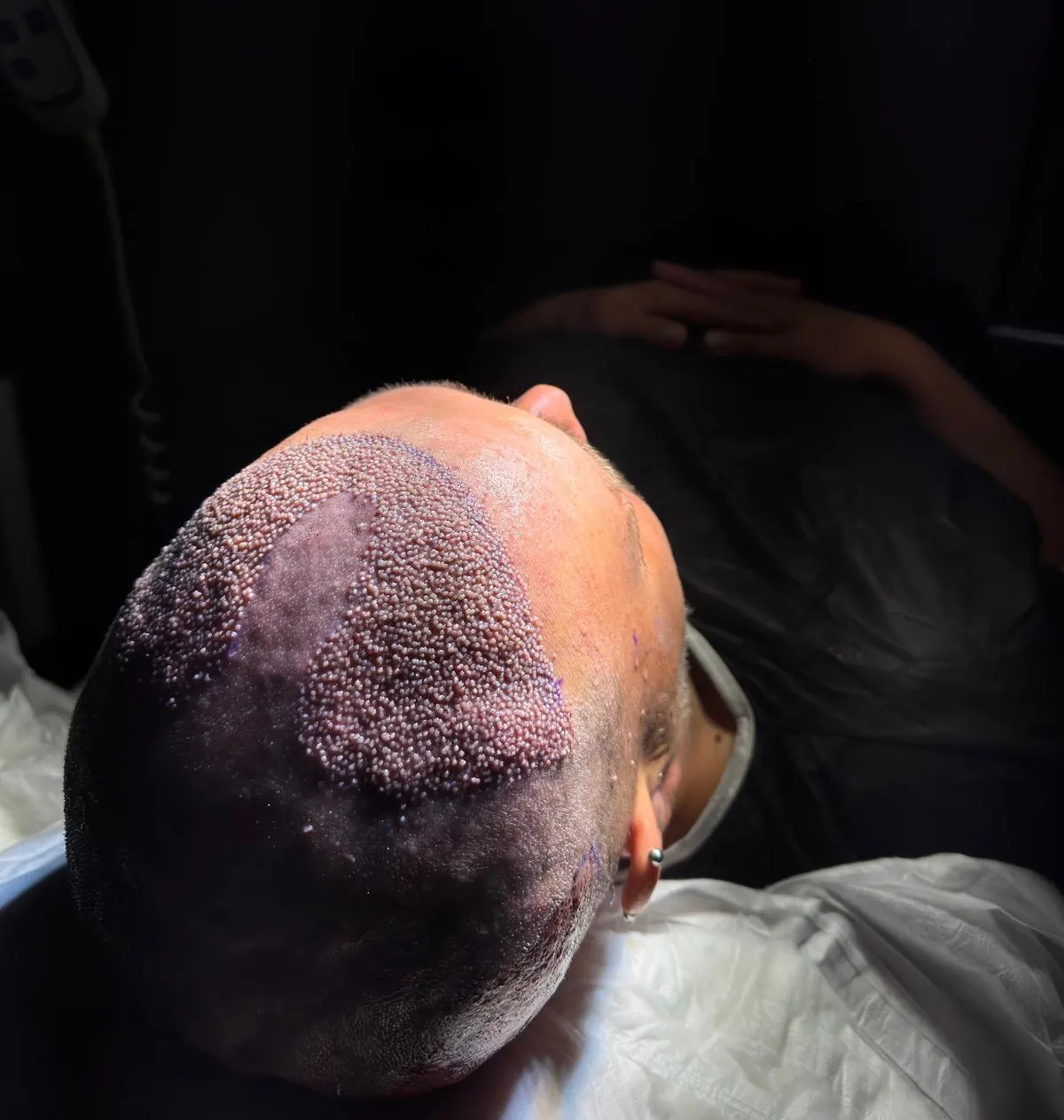
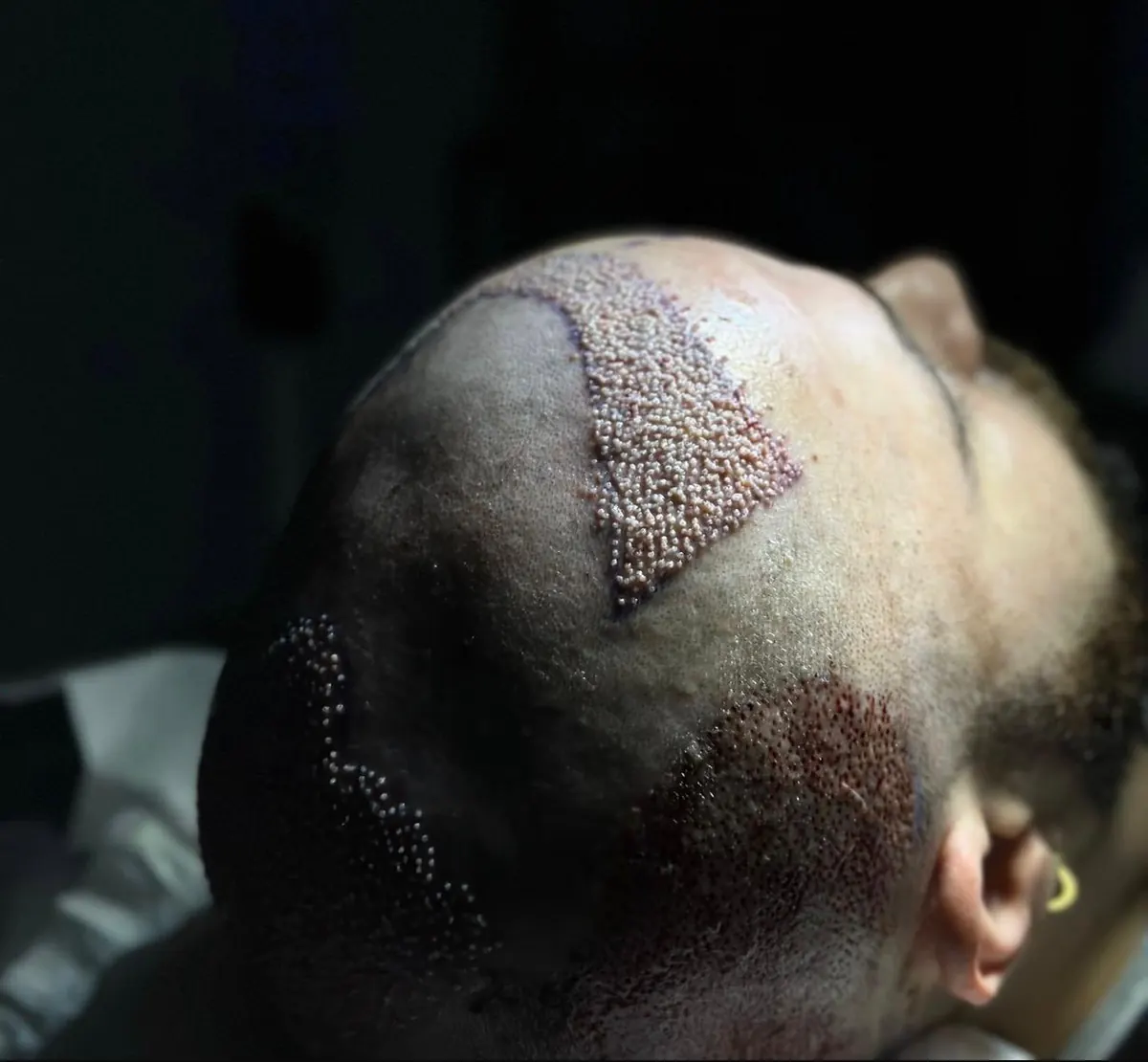
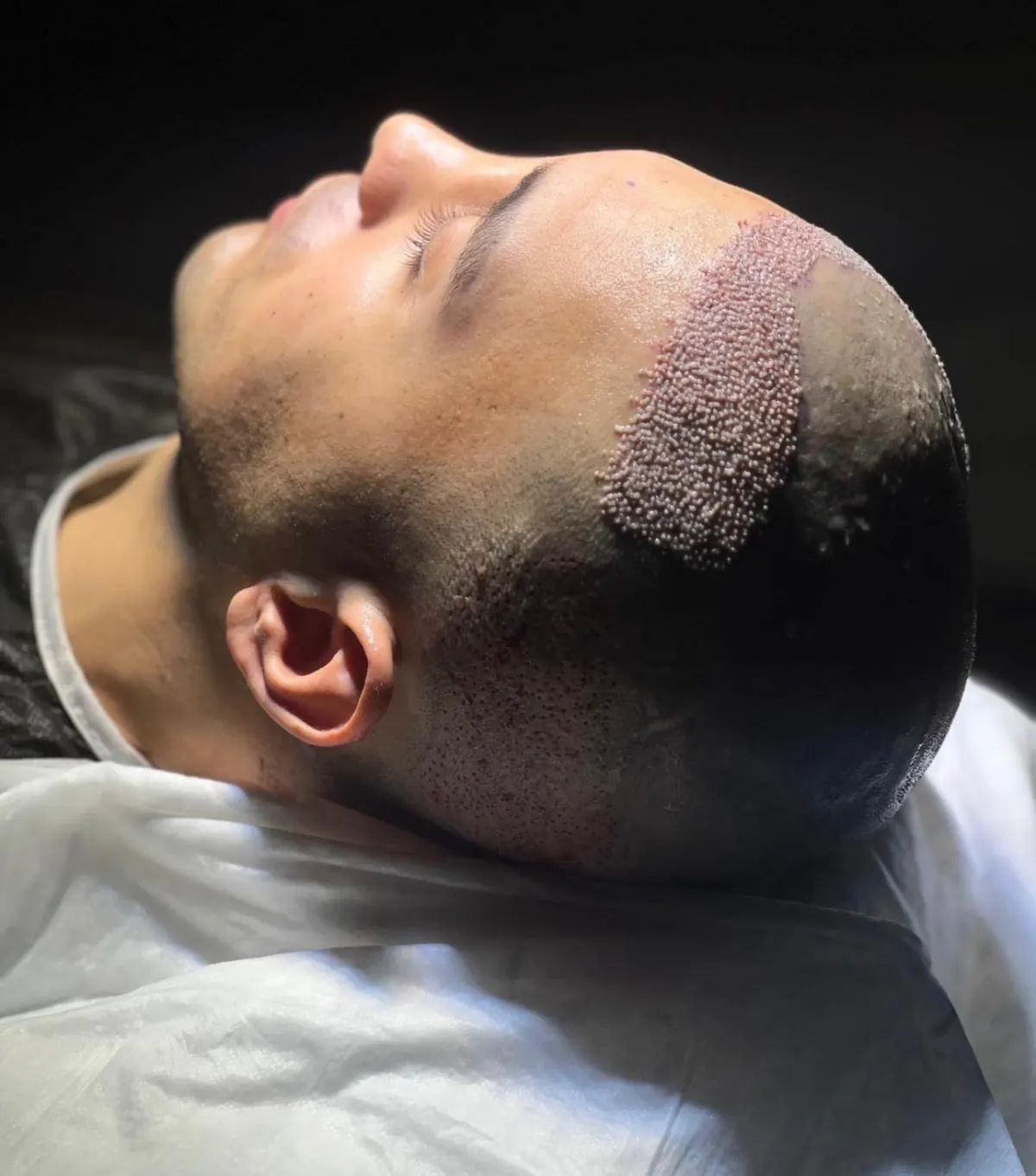
| First days and weeks | Apply nothing to the grafts or the donor area unless your surgeon has told you to. New grafts are fragile while the crusts are present. |
| After the scalp has healed | Your surgeon decides if and when topical minoxidil can start or restart, usually once the crusts are gone and the skin has settled. |
| Tablets | Whether to continue, pause or start finasteride or oral minoxidil around surgery is decided by your prescribing doctor and surgeon together. Do not change this on your own. The one exception is mood changes on finasteride: stop it and seek advice, as explained above. |
| Long term | Review any medical treatment with your doctor at regular check-ups. |
Some surgeons use minoxidil around surgery, hoping to support regrowth or limit shock loss. The evidence for this is limited, and practice differs between doctors. Shock loss is common and usually temporary either way. Our hair transplant recovery timeline explains what to expect month by month.
Finasteride vs minoxidil at a glance
| Finasteride | Minoxidil | |
|---|---|---|
| Form | Tablet; topical forms are licensed in some countries | Scalp solution or foam; tablets used off-label |
| How it works | Lowers DHT | Lengthens the growth phase; exact mechanism unclear |
| Who uses it | Men; generally not recommended for women | Men and women, not in pregnancy or breastfeeding |
| Doctor needed | Yes, prescription and follow-up | Advice recommended for all forms; tablets need prescription and monitoring |
| Time to see a change | Some improvement after 3 to 6 months (NHS) | Usually several months |
| Main side effects | Sexual side effects, mood changes, breast changes | Scalp irritation, early shedding, unwanted hair; fluid and heart effects with tablets |
| If you stop | Hair loss usually resumes | Hair gained is usually lost again |
Some doctors combine both because they act in different ways. This also combines their possible side effects, so it is a choice for you and your doctor.
Minoxidil and finasteride rules differ by country
Each country regulates these medicines separately, so approved forms, label warnings and prescription rules can differ. Some examples:
- In the US, topical minoxidil is FDA-approved for androgenetic alopecia and sold over the counter. Oral minoxidil is approved there for resistant high blood pressure, so its use for hair is off-label.
- In the UK, finasteride packs include a patient alert card. In 2026 the MHRA strengthened its warnings for finasteride and added a precautionary mood warning for dutasteride, a related medicine.
- In the EU, packs of finasteride tablets for hair loss now include a patient card, following the EMA's 2025 review. The same review found no evidence linking suicidal thoughts to finasteride skin sprays.
If you travel to Istanbul for surgery, your aftercare plan should fit the rules where you live. Keep a note of what you were prescribed and why, and share it with your GP or dermatologist. Do not buy these medicines online without a prescription, and always read the leaflet in your pack.
Who should speak to a doctor first
Some people need extra care before using either medicine:
- Women, especially if pregnant, trying to become pregnant or breastfeeding.
- Anyone under 18.
- Men with a history of depression, anxiety or another mental health condition.
- People with heart disease, blood pressure problems or fluid retention, especially before oral minoxidil.
- Men with concerns about sexual function or fertility.
- Anyone taking other regular medicines.
This does not always rule treatment out, but the risks and benefits need a careful conversation first. Some men decide against medication, and a transplant can still work for them when the plan allows for future loss. Our guide to who is not a good candidate for a hair transplant covers related situations.
How medication fits into your hair transplant plan
Dr. Harun Alakaya plans each case himself and designs the hairline by hand. A good plan allows for your age, your pattern of loss and your donor area, because native hair may keep thinning. You can raise questions about medication during your consultation. If you decide to use it, a doctor who can prescribe it and follow you up over the long term, usually close to home, should supervise it. The final choice is always yours.
Future loss matters most in the crown, where thinning often keeps spreading. Read more in our guide to the crown hair transplant.
If you are considering a transplant, send clear photos of your scalp through our contact page for a free first analysis.
Frequently asked questions
Does finasteride affect transplanted hair?
Transplanted follicles usually come from the donor area at the back of the head, which tends to resist DHT, so they usually keep growing without medication. Finasteride is mainly used to slow the loss of native hair around them.
Can I put minoxidil on new grafts?
Only when your surgeon says the scalp has healed. Applying products too early can irritate the skin while the grafts are still settling.
What happens if I stop finasteride or minoxidil after my transplant?
The transplanted hair usually stays. The effect on your native hair fades over the following months, so thinning may continue. Talk to your doctor before stopping, unless you have mood changes on finasteride, in which case stop and seek advice straight away.
Is topical finasteride safer than tablets?
Topical forms are licensed in some countries and not in others. The EMA's 2025 review found no evidence linking suicidal thoughts to finasteride skin sprays. A topical form is still a medicine with possible side effects, so it also needs a doctor's prescription and supervision.
Is dutasteride the same as finasteride?
Dutasteride belongs to the same group of medicines and also lowers DHT. In 2026 the UK regulator added a precautionary warning about mood changes for dutasteride. It is a prescription medicine and should only be used under medical supervision.
Sources
- NHS – Common questions about finasteride
- NHS – About finasteride
- NHS – Side effects of finasteride
- MHRA (GOV.UK) – MHRA strengthens safety warnings for finasteride and dutasteride
- European Medicines Agency – Measures to minimise risk of suicidal thoughts with finasteride and dutasteride medicines
- NCBI StatPearls – Minoxidil
- MedlinePlus – Finasteride

Our articles explain hair transplant topics in plain language. They are general information and do not replace a consultation with a doctor.
About the doctor